Be yourself; Everyone else is already taken.
— Oscar Wilde.
This is the first post on my new blog. I’m just getting this new blog going, so stay tuned for more. Subscribe below to get notified when I post new updates.
Be yourself; Everyone else is already taken.
— Oscar Wilde.
This is the first post on my new blog. I’m just getting this new blog going, so stay tuned for more. Subscribe below to get notified when I post new updates.

I-ready is a fully integrated platform which streamlines the challenge of diffrentiating instruction through an inclusive program that delivers data based insights to help students grow and access customized grade level material

Creating an informational infographic on Cybersecurity by using Piktochart was great experiance. Pikochart is a great choice for students projects, it is easy, and it has almost every thing you need for creating a post or presentations.
1. What are your reactions to her story?
My first reaction to her story was that it made me worry more about identity theft on the internet which I have always hear about but never took too seriously. As soon as I finished watching the video I found my self searching my name on different social media to make sure my identity is not being used by any strangers like Emily’s neighbor.
2.What did you learn from her story?
I learned from her that even when we go through difficult situations, we should never just hide our selves completely and we should just become more aware and careful instead.
3.How might you use this story to inform your life or that of others?
I would inform myself and others about what happened to Emily and how much trouble she had to suffer after her identity was stolen on social media, and I would alert everyone not to share and not to add strangers to their friend lists and to always keep checking if anyone has created any social media accounts under their names without knowing!

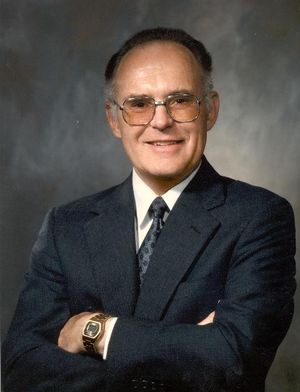
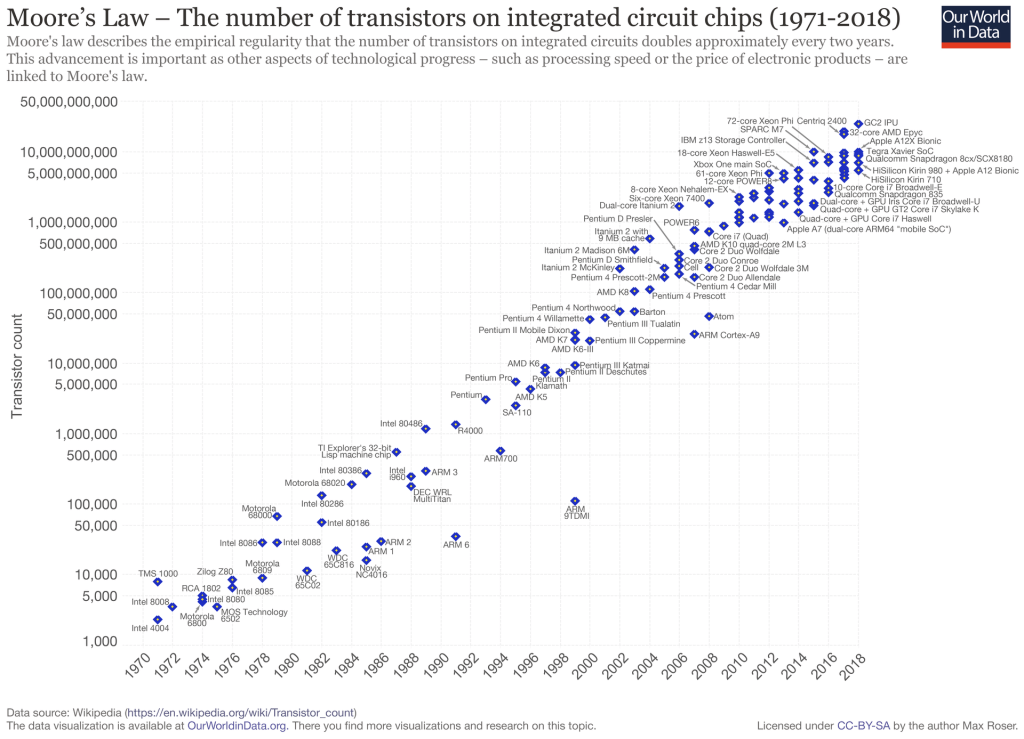
Gordon Moore is an American engineer, businessman and theories and is one of the founding members of Intel Corporation. In 1965 he worked as a researcher at Fairchild semiconductor, and as the director of research a publishing magazine asked him to offer insight on the current and future state of semiconductor industry. In an article published in April, 19, 1965, he argued that components of semiconductors has doubled in capacity and decreased in size for every year and speculated that that would continue for 10 years. In 1975 he reinstated his argument predicted that the rate to every two years. This was the first time it was published as Moore’s law. Moore’s law has been the pedestal of the current technological application. The transistor has doubled in power every two years and has continued much to the current technological advancement. The theory is interesting to me since it fuels in the current usages of smartphones and computers, thus Moore’s has contributed immensely of current society.
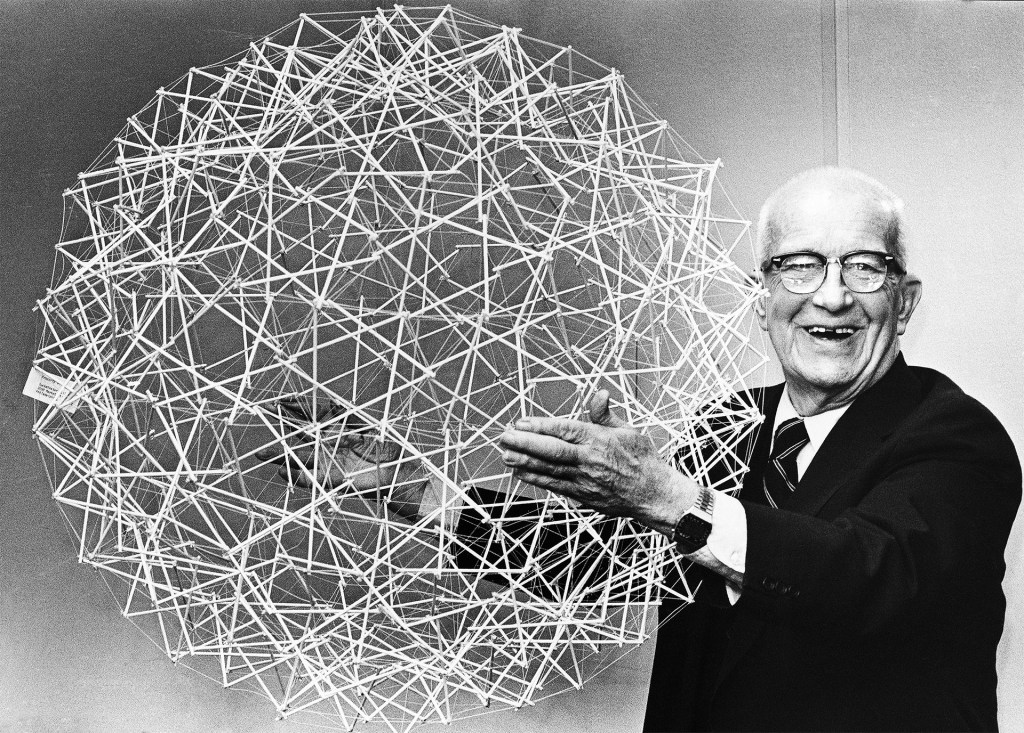
R Buckminster fuller was an inventor and visionary from the 20th century. He was born on 12th July 1985. In most of his life, he worked in dedication of making things work efficiently, and advanced society for humans. His theory of knowledge doubling curve came to light in 1900 when he argued that human knowledge and potential doubles approximately every century and by the end of the Second World War the knowledge curve was doubling every 25 years. The idea here is that as we become more advanced in terms of technology and sharing of information, Knowledge accumulation and potential will only increase in terms of duration. The theory is interesting since it argues that in the future as societies become more advanced, there is a possibility that humans will accumulate and utilize information faster.
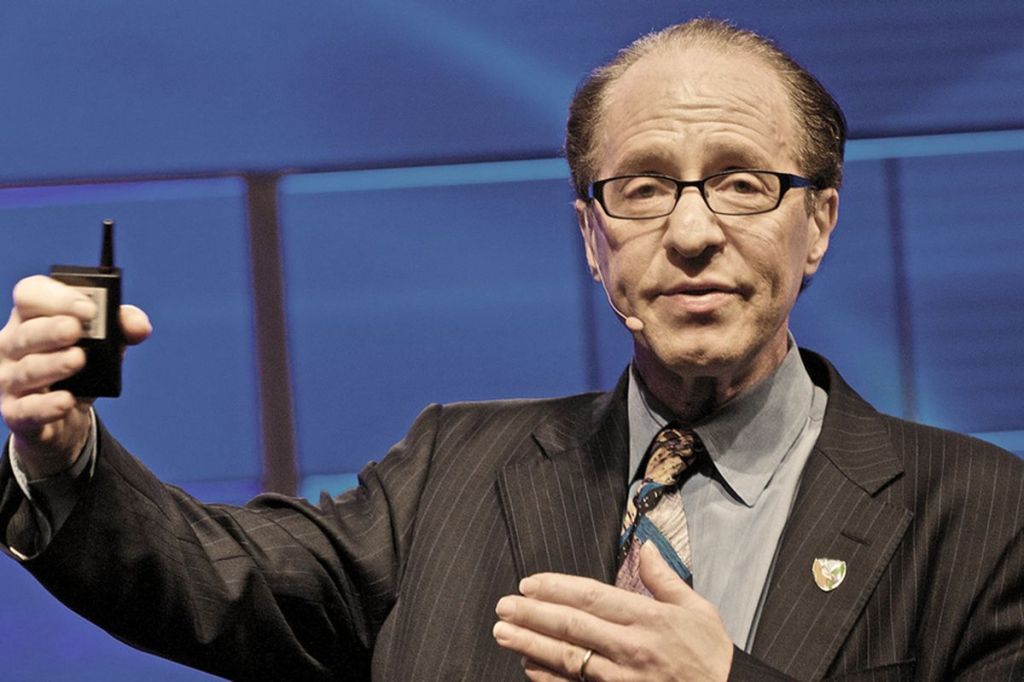
Ray Kurzweil is a renown American inventor, writer, and futurist. Ray Kurzweil is also a vital player in creation of speech recognition software. Kurzweil is interested and has continuously spoken on aspects involving technology. For instance, he speaks about artificial intelligence and epitome of computer and machine intelligence which is called the singularity. Kurzeweils theory or “the law of accelerating returns argues that according to the current rate of change in different technology system translate to an exponential increase. The theory tends to appreciate and have influence from Moore’s theory. Kurzweil is an author who has continued greatly in developing debated topic for the future of humanity and technology. As a proponent of the singularity, Kurzweil argues that technological advancement only increases human potential. The theory is interesting since the author is an individual who proposes for a more advanced society, which is intriguing into the behaviour and connection between human in highly technological society.

Peter Thiel is a tech investor, cofounder of PayPal and the first invest and board member of Facebook. Peter Thiel has hit the headlines as a contrarian and often a campaigner of tech acceleration. He studies philosophy and la at Stanford University. A part of his philosophical view on the current technological state is that progress and acceleration is only at the computer level and there is unprecedented stagnation on the physical world. One of his famous quotes is jab he threw on twitter as a reflection of the state of technology, “we wanted flying cars, instead we got 140 characters” . Thiel beliefs there is slow or stagnant progress on aspect of science, medicine, and even tech. He argues that prediction of the future from the past has a better and a more progressive society but through software and the internet we have become obsessive over mobile devices that we forget the stagnation of other aspects of society.
Special Education Teacher Presentation
This is an example post, originally published as part of Blogging University. Enroll in one of our ten programs, and start your blog right.
You’re going to publish a post today. Don’t worry about how your blog looks. Don’t worry if you haven’t given it a name yet, or you’re feeling overwhelmed. Just click the “New Post” button, and tell us why you’re here.
Why do this?
The post can be short or long, a personal intro to your life or a bloggy mission statement, a manifesto for the future or a simple outline of your the types of things you hope to publish.
To help you get started, here are a few questions:
You’re not locked into any of this; one of the wonderful things about blogs is how they constantly evolve as we learn, grow, and interact with one another — but it’s good to know where and why you started, and articulating your goals may just give you a few other post ideas.
Can’t think how to get started? Just write the first thing that pops into your head. Anne Lamott, author of a book on writing we love, says that you need to give yourself permission to write a “crappy first draft”. Anne makes a great point — just start writing, and worry about editing it later.
When you’re ready to publish, give your post three to five tags that describe your blog’s focus — writing, photography, fiction, parenting, food, cars, movies, sports, whatever. These tags will help others who care about your topics find you in the Reader. Make sure one of the tags is “zerotohero,” so other new bloggers can find you, too.

 alaa Alkhereiji